
The pharmaceutical, biotechnology, and medical device industries are among the most highly regulated sectors worldwide. To ensure the safety, quality, and efficacy of products, companies must comply with strict national and international regulations. This growing need for compliance has created strong demand for professionals trained through regulatory affairs courses.
A regulatory affairs course equips students and professionals with in-depth knowledge of laws, guidelines, and regulatory processes involved in drug development, approval, and post-marketing activities. These courses are ideal for science graduates who want to build a stable and globally relevant career.
What Are Regulatory Affairs Courses?
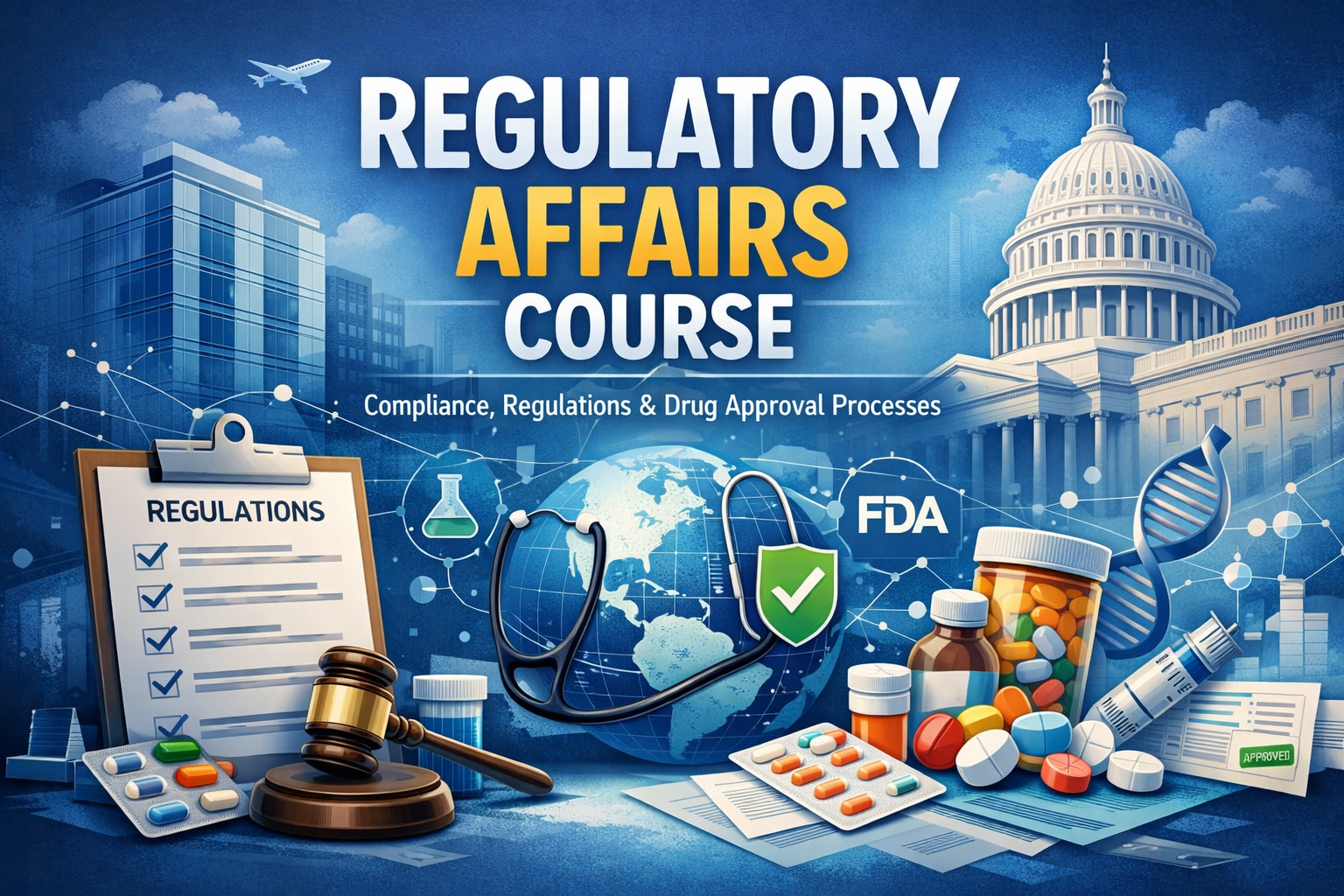
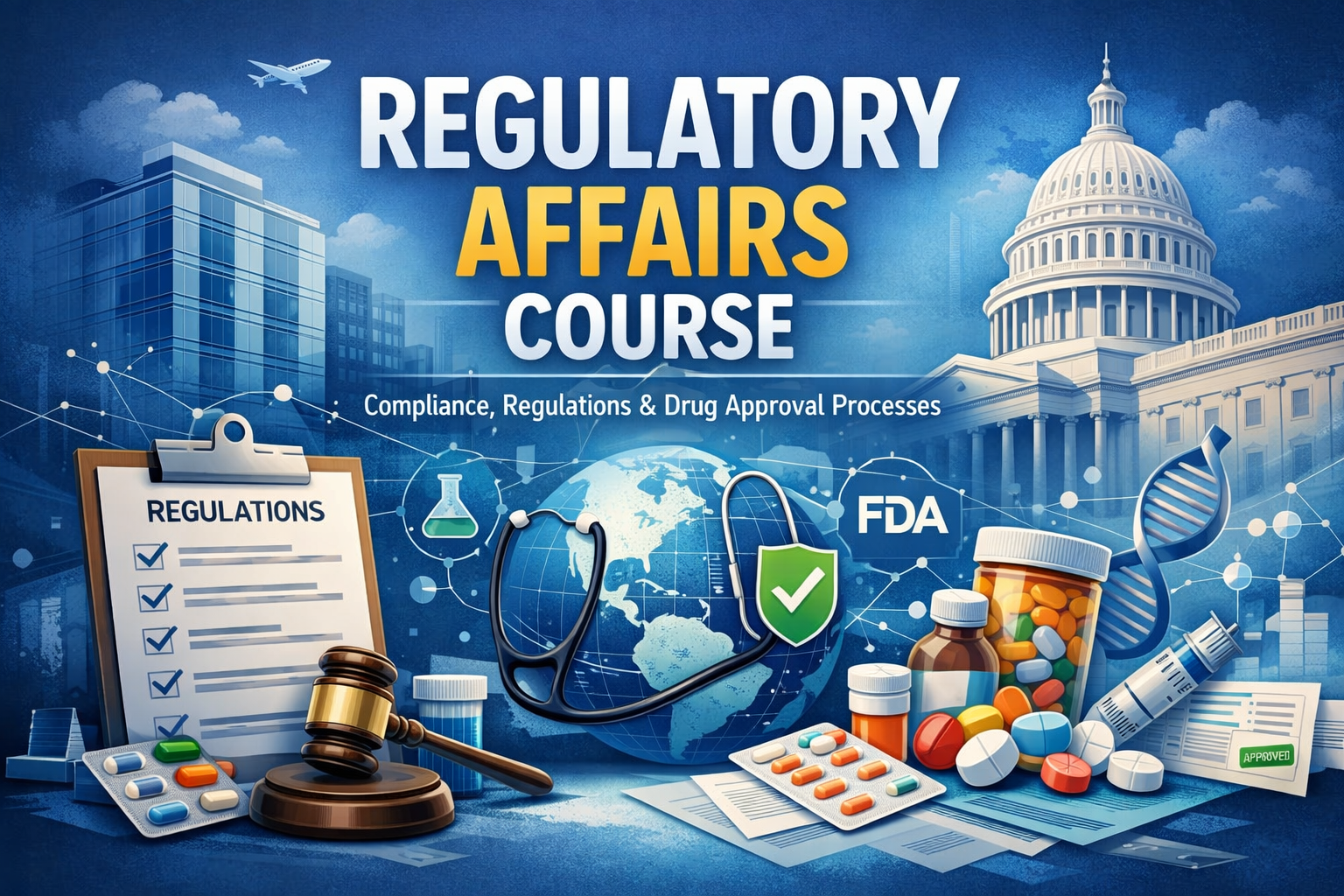
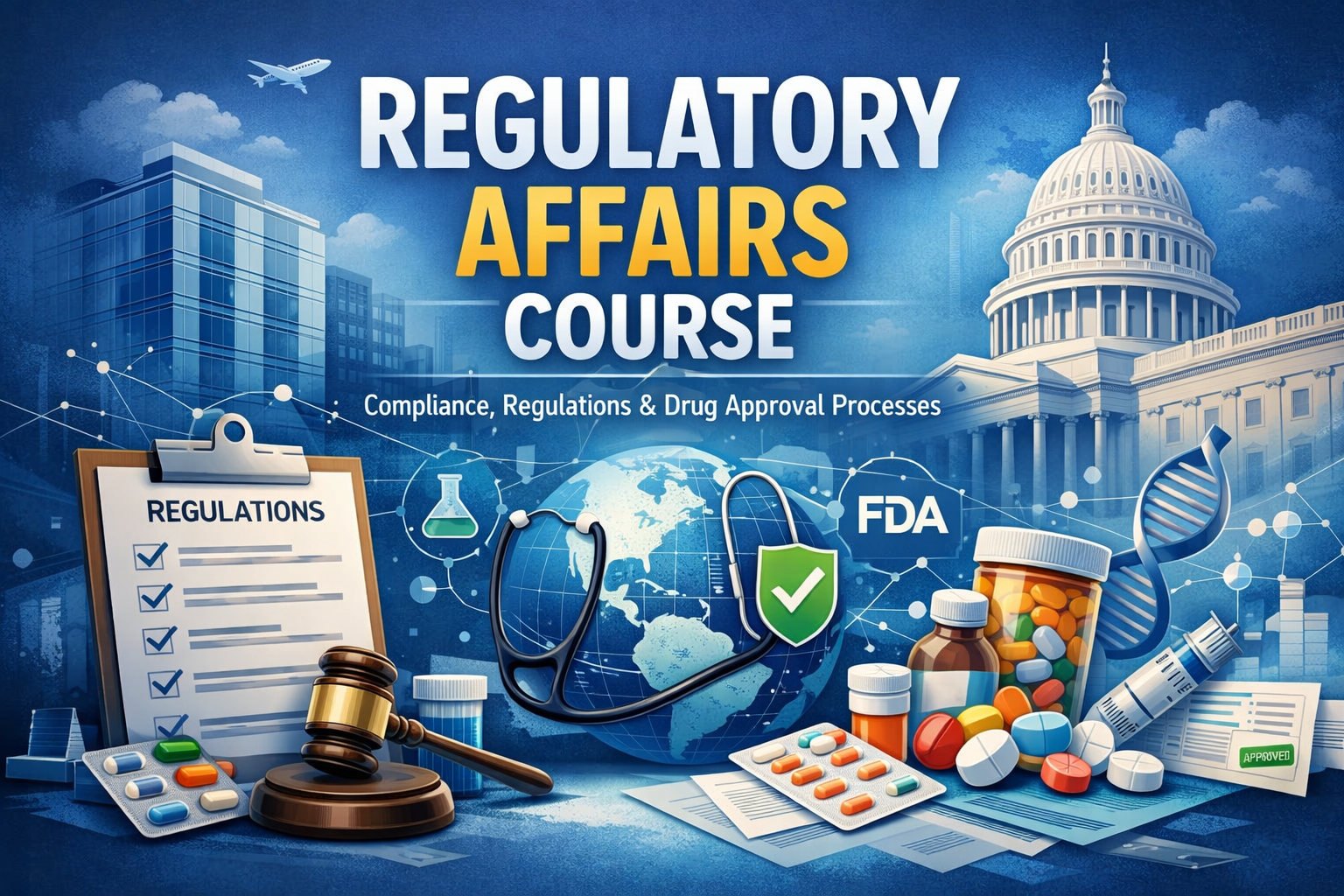
Regulatory affairs courses are specialized training programs designed to teach the regulatory framework governing pharmaceuticals, biologics, medical devices, and cosmetics. These programs focus on ensuring that products meet regulatory standards set by authorities such as the US FDA, EMA, WHO, CDSCO, and ICH.
A well-structured drug regulatory affairs course covers documentation, submissions, compliance strategies, and lifecycle management of pharmaceutical products. It bridges the gap between scientific research and regulatory approval.
Who Should Enroll in a Regulatory Affairs Course?
A regulatory affairs course is suitable for:
B.Pharm, M.Pharm, PharmD graduates
BSc/MSc (Chemistry, Biotechnology, Life Sciences)
Medical, dental, and allied health professionals
Working professionals in pharma, clinical research, or quality departments
Fresh graduates and experienced professionals can benefit equally, as regulatory affairs roles require both theoretical understanding and practical exposure.
Key Topics Covered in Drug Regulatory Affairs Course
A comprehensive drug regulatory affairs course typically includes:
Overview of global regulatory systems
Drug development and approval process
Regulatory submissions (CTD, eCTD)
US FDA, EMA, CDSCO, and ICH guidelines
IND, NDA, ANDA, and DMF filings
Labeling and promotional regulations
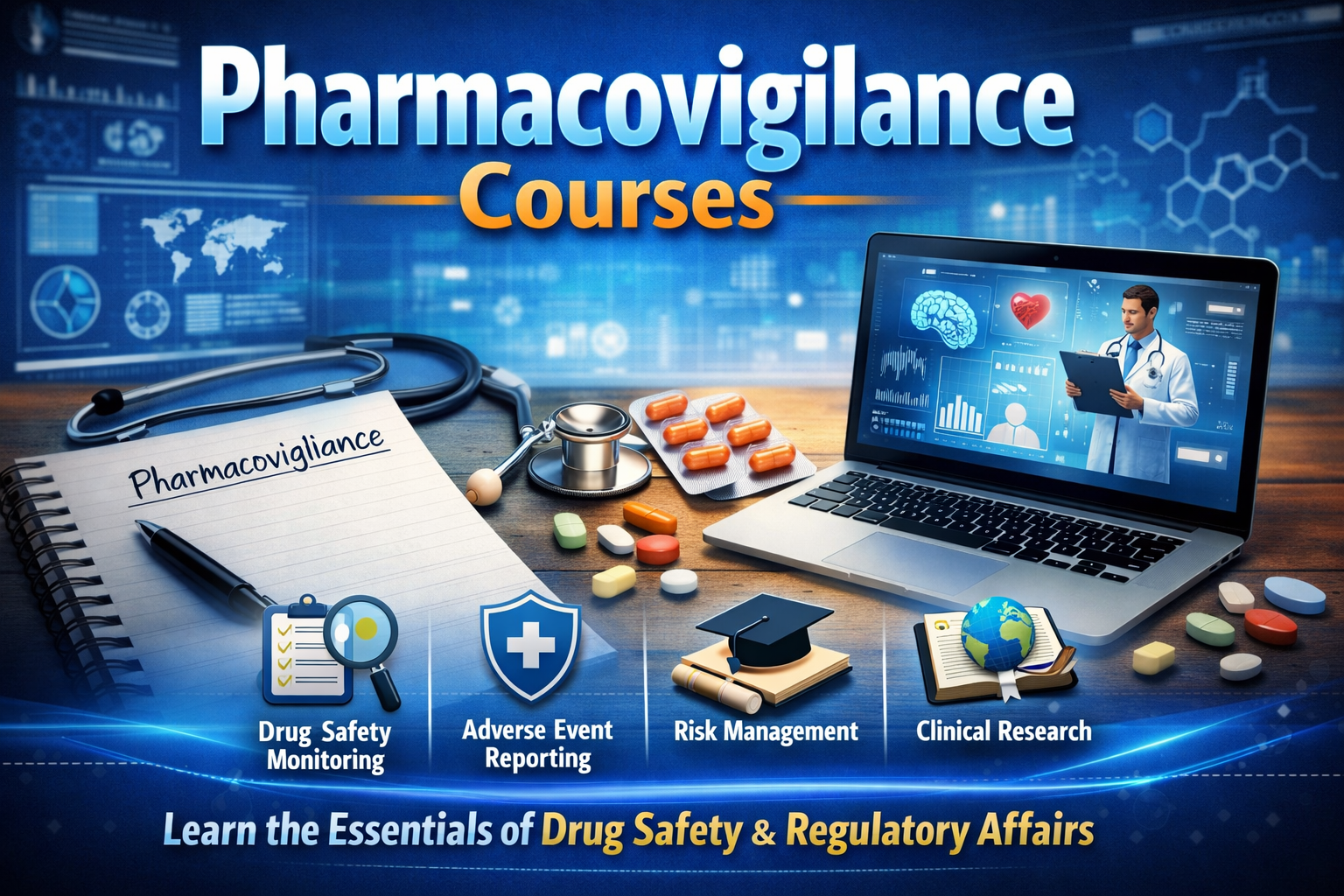
Pharmacovigilance and post-marketing surveillance
Medical device and combination product regulations
These modules prepare learners to handle real-world regulatory challenges efficiently.
Importance of Regulatory Affairs Courses in the Pharma Industry
The pharmaceutical industry cannot function without regulatory compliance. Regulatory affairs professionals act as a link between companies and regulatory authorities. Enrolling in regulatory affairs courses helps learners understand evolving regulations and ensures companies avoid delays, penalties, or product rejections.
With increasing globalization, companies prefer professionals who are trained in international regulatory standards. This makes a drug regulatory affairs course a valuable career investment.
Career Opportunities After Regulatory Affairs Course
After completing regulatory affairs courses, candidates can explore roles such as:
Regulatory Affairs Executive
Regulatory Affairs Associate
Regulatory Affairs Officer
Documentation Specialist
Compliance Manager
Employment opportunities are available in pharmaceutical companies, biotech firms, CROs, medical device companies, and regulatory consultancies. The demand is strong both in India and abroad.
Benefits of Choosing a Drug Regulatory Affairs Course
Some major benefits include:
High demand and job stability
Global career opportunities
Competitive salary packages
Exposure to international regulatory standards
Suitable for both freshers and professionals
A well-recognized regulatory affairs course enhances credibility and opens doors to long-term career growth.
How to Choose the Right Regulatory Affairs Course?
When selecting among various regulatory affairs courses, consider:
Industry-oriented curriculum
Experienced trainers with regulatory background
Practical training and case studies
Certification value
Placement or career assistance
Choosing the right drug regulatory affairs course ensures you gain job-ready skills aligned with industry expectations.
Conclusion
Regulatory affairs is a critical function in the healthcare industry, ensuring patient safety and regulatory compliance. With the pharma and medical device sectors expanding rapidly, the demand for trained regulatory professionals continues to rise. Enrolling in well-designed regulatory affairs courses can help you build a rewarding, stable, and globally relevant career. A professional drug regulatory affairs course not only enhances your knowledge but also positions you as a valuable asset in the pharmaceutical industry.


Write a comment ...