
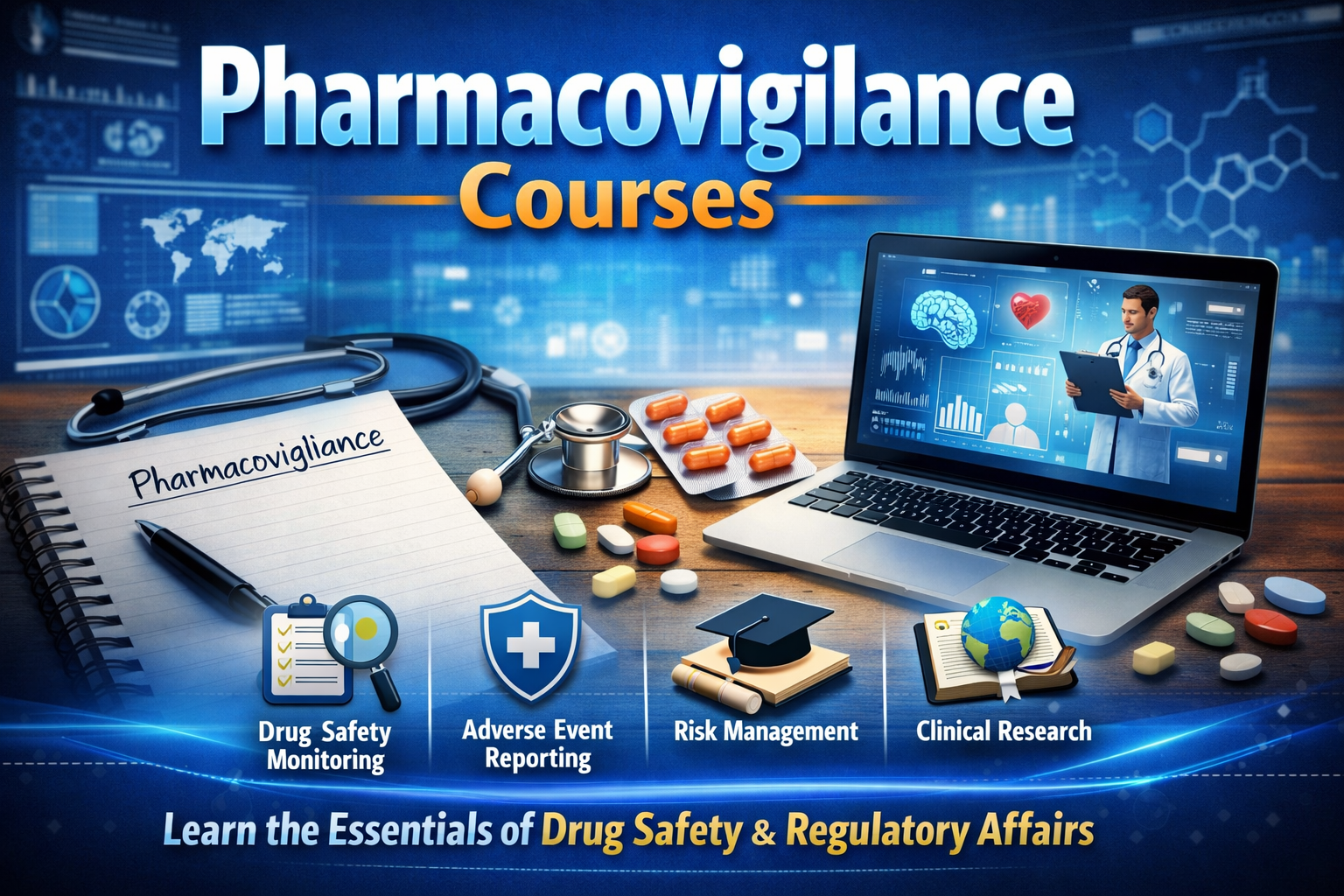
The global healthcare and pharmaceutical industries are expanding rapidly, bringing innovative medicines and therapies to the market every year. Along with this growth, the need to monitor drug safety has become more critical than ever. This is where pharmacovigilance plays a vital role. As a result, the pharmacovigilance courses demand has increased significantly among life science graduates, pharmacy professionals, and healthcare aspirants.
What is Pharmacovigilance?
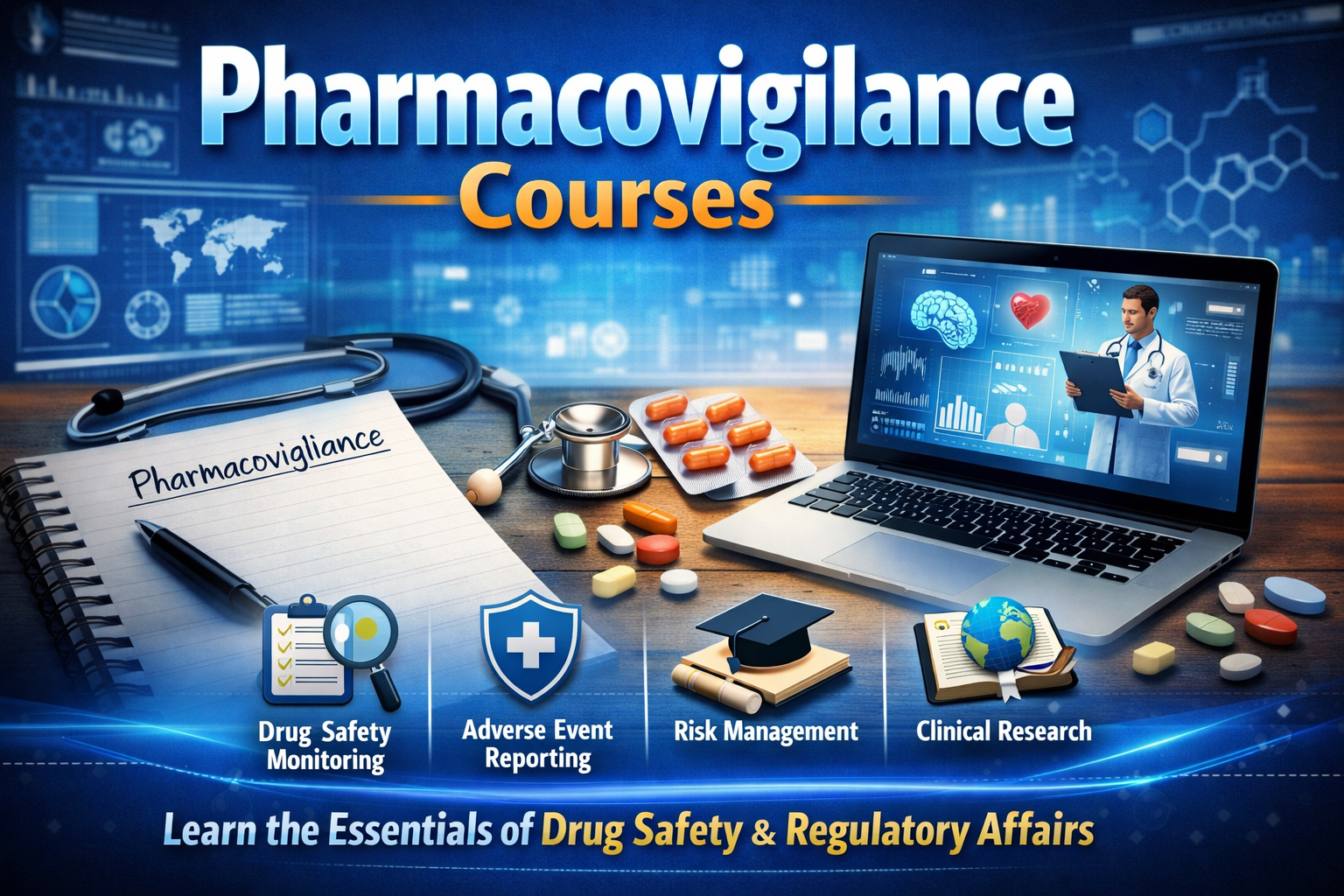
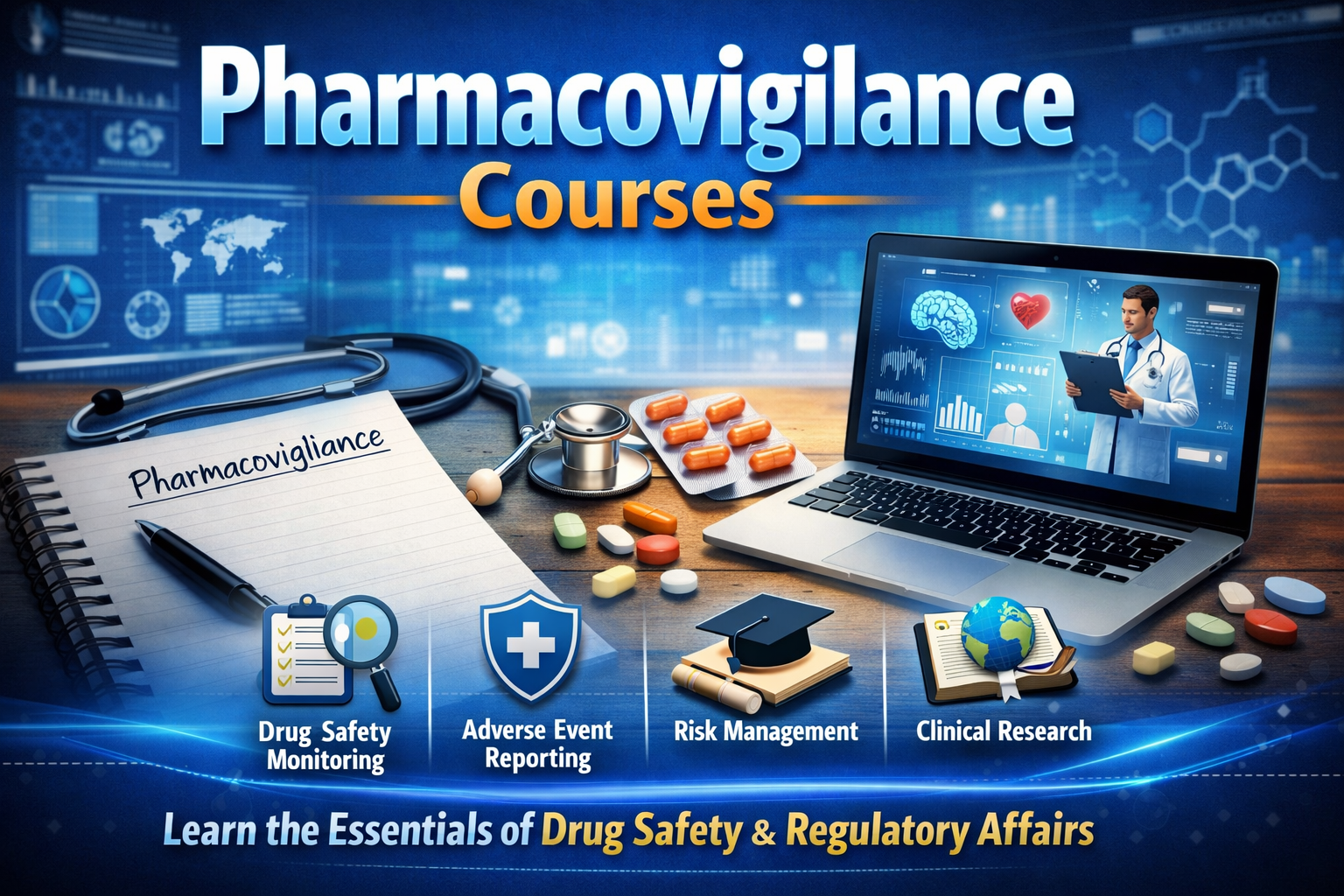
Pharmacovigilance is the science and practice of detecting, assessing, understanding, and preventing adverse effects or any other drug-related problems. Regulatory authorities across the world, such as the US FDA, EMA, and WHO, require pharmaceutical companies to maintain strict drug safety monitoring systems. This has created a growing need for trained pharmacovigilance professionals.
Why is the Demand for Pharmacovigilance Course Increasing?
The demand for a pharmacovigilance course is rising due to several industry-driven factors:
Increase in Clinical Trials
With more clinical trials being conducted globally, there is a higher requirement for drug safety data collection and monitoring. Pharmacovigilance professionals play a key role in managing adverse event reports during clinical development and post-marketing phases.Strict Regulatory Guidelines
Regulatory bodies mandate pharmaceutical companies to follow stringent pharmacovigilance guidelines. Non-compliance can result in heavy penalties or product withdrawal, making trained professionals essential.Growth of the Pharmaceutical and Biotech Industry
India has become a global hub for pharmaceutical manufacturing and research. This growth has directly increased the demand for skilled professionals with pharmacovigilance certification.Outsourcing Opportunities
Many multinational pharmaceutical companies outsource pharmacovigilance activities to India due to cost efficiency and skilled talent availability. This has opened up numerous job opportunities for certified candidates.
Who Should Enroll in Pharmacovigilance Courses?
Pharmacovigilance courses are ideal for:
B.Pharm, M.Pharm, Pharm.D graduates
BSc / MSc Life Sciences graduates
Medical, dental, and nursing graduates
Clinical research professionals
Healthcare professionals looking for non-clinical career options
These courses are especially beneficial for those who want to build a stable career in the pharmaceutical and regulatory domain.
Importance of Pharmacovigilance Certification
A recognized pharmacovigilance certification enhances a candidate’s credibility and employability. Certification programs provide structured knowledge, practical exposure, and industry-relevant training. Employers prefer certified professionals because they require less on-the-job training and can immediately contribute to drug safety operations.
Certified candidates can work in roles such as:
Drug Safety Associate
Pharmacovigilance Officer
Case Processing Executive
Signal Detection Analyst
Risk Management Specialist
Key Skills Gained Through Pharmacovigilance Courses
Enrolling in a professional pharmacovigilance course helps learners develop:
Knowledge of global pharmacovigilance regulations
Adverse event case processing skills
MedDRA and WHO-DD coding expertise
Safety database handling (Argus, ArisG, etc.)
Risk management and signal detection understanding
These skills are highly valued by pharmaceutical companies, CROs, and regulatory organizations.
Career Scope After Pharmacovigilance Course
The career scope after completing pharmacovigilance courses is promising and long-term. The industry offers stable career growth, global exposure, and attractive salary packages. Entry-level professionals can expect steady growth with experience, certifications, and advanced training.
With continuous drug development and evolving regulations, pharmacovigilance is not a short-term trend but a long-lasting career path in the healthcare sector.
Conclusion
The growing focus on patient safety, strict regulatory requirements, and expansion of the pharmaceutical industry have made pharmacovigilance an indispensable function. This has directly contributed to the increasing pharmacovigilance course demand across India and globally. Pursuing a well-structured pharmacovigilance course with a recognized pharmacovigilance certification can open doors to rewarding career opportunities in the drug safety domain. For life science and pharmacy graduates seeking a stable, non-clinical career, pharmacovigilance is one of the most promising options today.


Write a comment ...