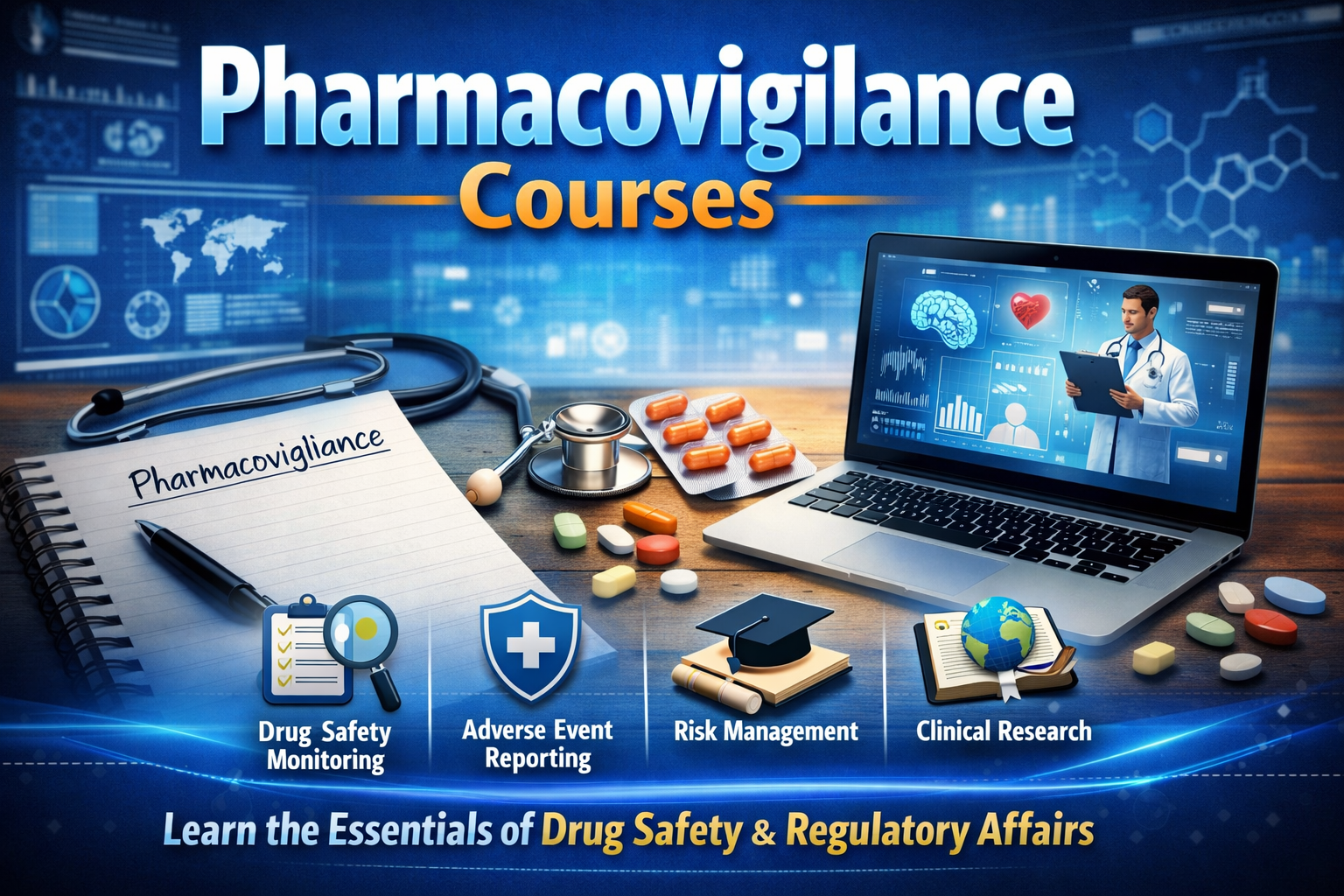
The global pharmaceutical and healthcare industries are growing rapidly, leading to a strong demand for skilled professionals who can ensure drug safety and patient well-being. One of the most promising career paths in this sector is pharmacovigilance. As regulatory requirements become stricter and drug safety monitoring gains importance, the demand for a pharmacovigilance course has increased significantly among life science and pharmacy graduates.
What is Pharmacovigilance?
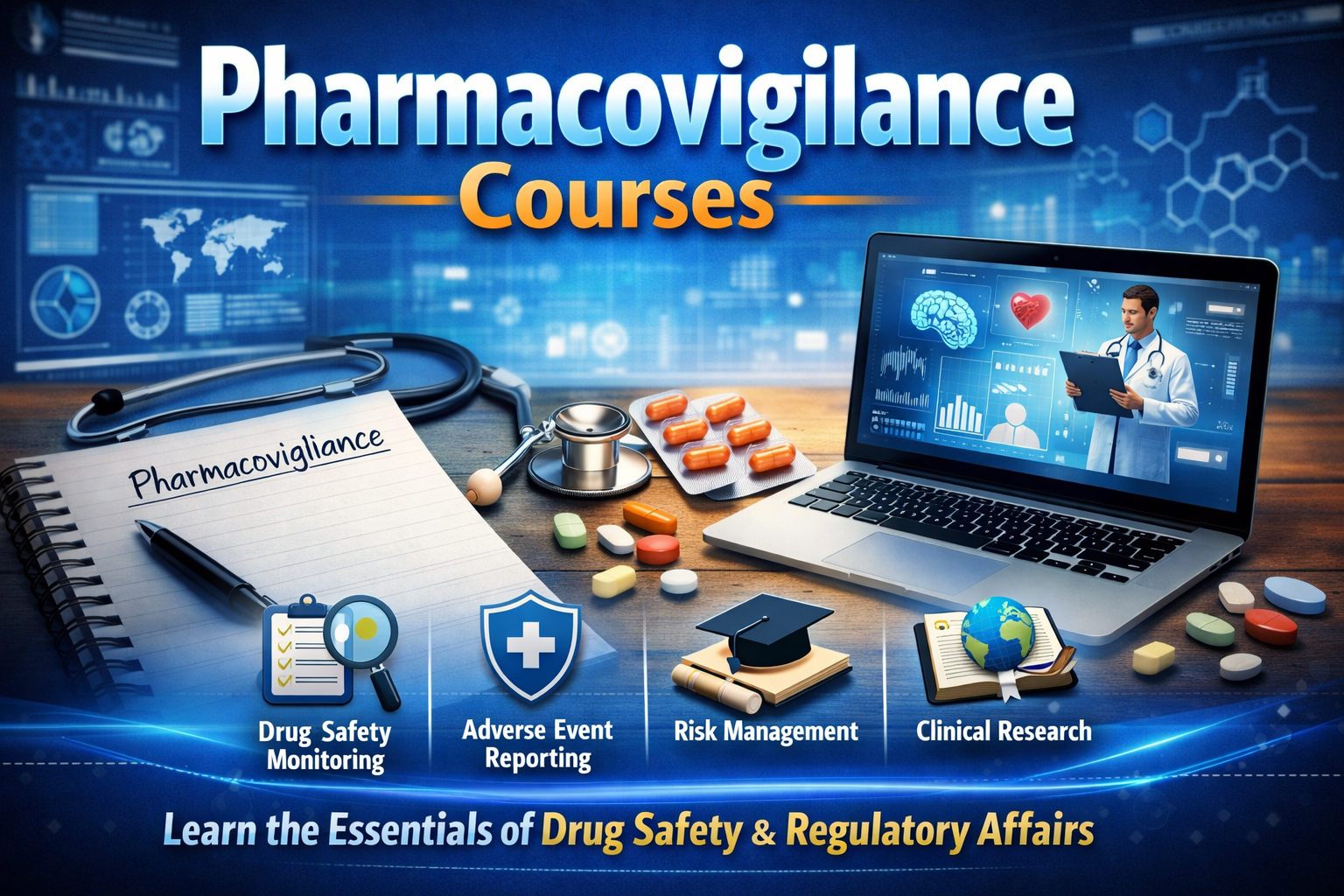
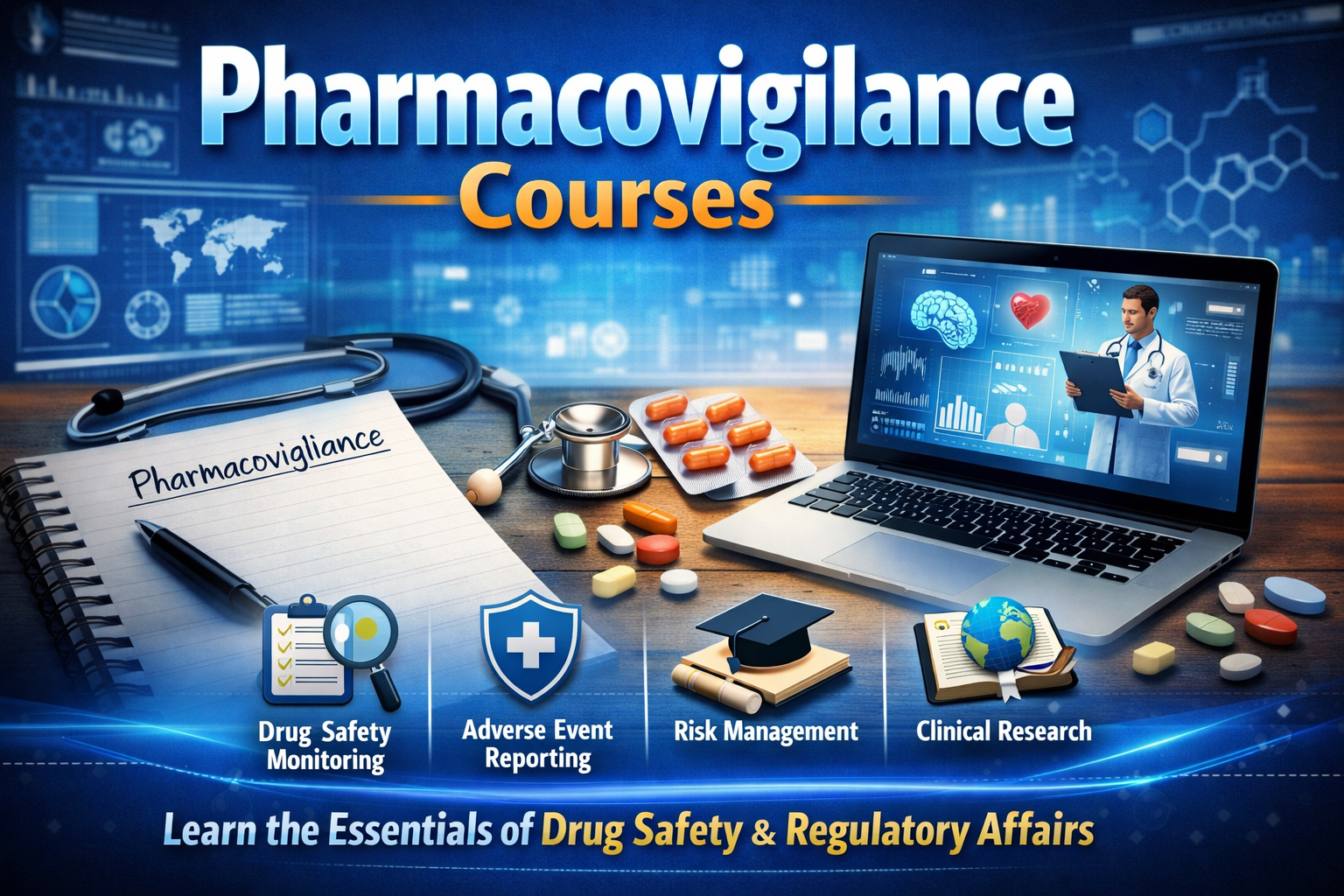
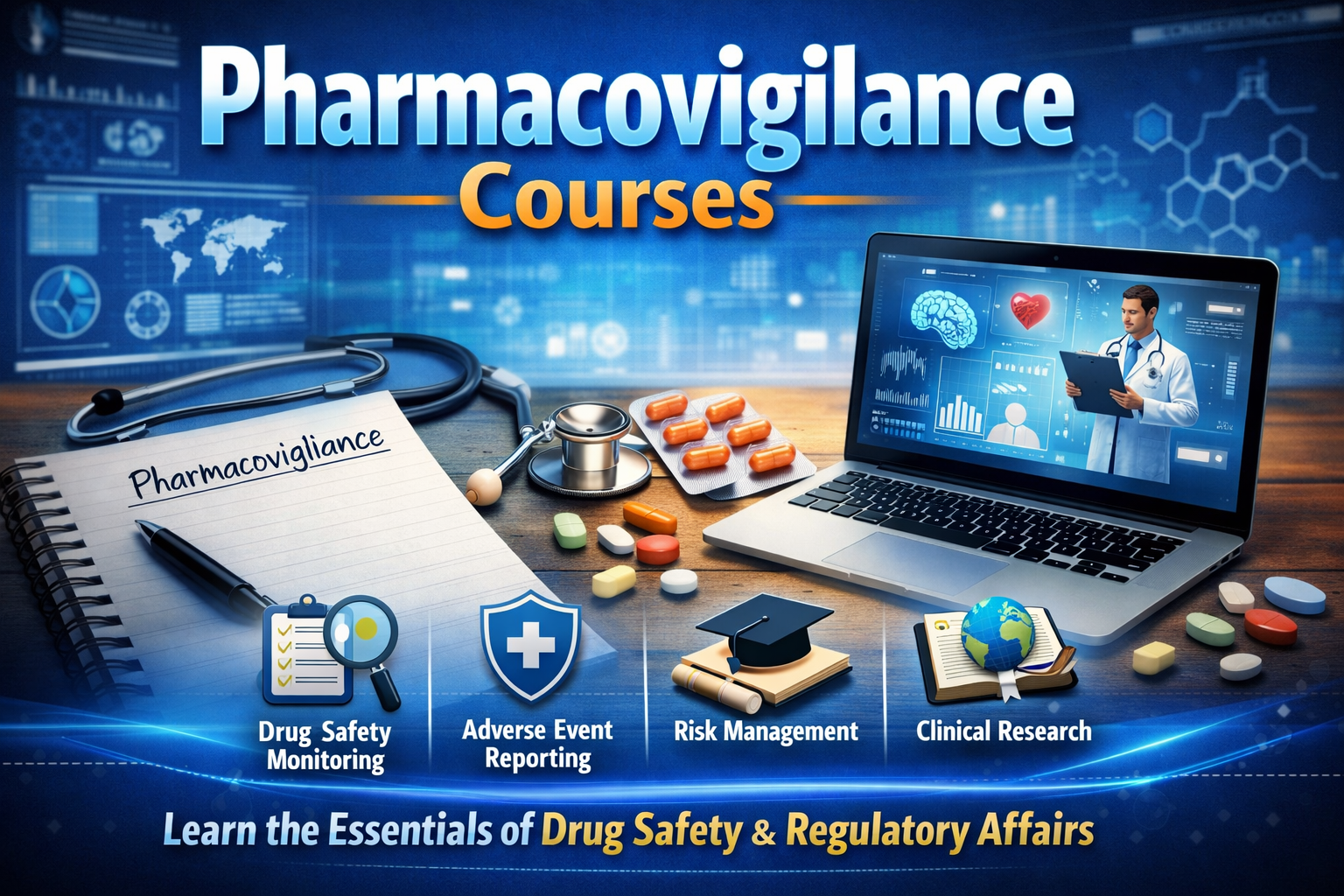
Pharmacovigilance is the science and practice of detecting, assessing, understanding, and preventing adverse effects or any other drug-related problems. It plays a vital role throughout the drug lifecycle, from clinical trials to post-marketing surveillance. With increasing reports of adverse drug reactions (ADRs), pharmaceutical companies and regulatory authorities rely heavily on trained pharmacovigilance professionals.
Why is the Demand for Pharmacovigilance Courses Increasing?
The demand for pharmacovigilance courses has grown due to several key factors:
Strict Regulatory Guidelines
Global regulatory bodies such as the US FDA, EMA, and WHO have made pharmacovigilance mandatory for pharmaceutical companies. Compliance with these regulations requires trained professionals with in-depth knowledge of drug safety reporting and risk management.Growth of the Pharmaceutical and Biotech Industry
India has emerged as a global hub for pharmaceutical manufacturing and clinical research. This expansion has increased the need for professionals trained through a recognized pharmacovigilance certification.Increase in Clinical Trials and New Drug Approvals
With more clinical trials and innovative therapies entering the market, continuous safety monitoring is essential. This has created multiple job opportunities for pharmacovigilance associates, drug safety executives, and case processing specialists.Outsourcing of Pharmacovigilance Activities
Many global pharmaceutical companies outsource pharmacovigilance activities to India, further boosting the demand for skilled professionals who have completed structured pharmacovigilance courses.
Who Should Choose a Pharmacovigilance Course?
A pharmacovigilance course is ideal for candidates from life science and healthcare backgrounds, including:
B.Pharm / M.Pharm graduates
Pharm.D professionals
BSc / MSc in Life Sciences, Biotechnology, or Chemistry
Medical and allied health science graduates
Both freshers and working professionals can benefit from enrolling in pharmacovigilance courses to enhance their career prospects.
Benefits of Pharmacovigilance Certification
Earning a pharmacovigilance certification offers several advantages:
Industry-relevant skills: Training includes ADR case processing, signal detection, risk management plans, and regulatory reporting.
Global career opportunities: Pharmacovigilance professionals are in demand worldwide.
Stable and rewarding career: Drug safety is a long-term requirement, ensuring job stability.
Opportunities for career growth: Roles can progress from case processing associate to safety scientist, team lead, or regulatory expert.
Skills Gained Through Pharmacovigilance Courses
Comprehensive pharmacovigilance courses equip learners with both theoretical knowledge and practical exposure, including:
Adverse Event (AE) and ADR case processing
MedDRA and WHO drug coding
Safety database handling
Signal detection and benefit-risk analysis
Global regulatory guidelines (ICH, GVP, FDA, EMA)
Hands-on training and real-time case studies make candidates job-ready and confident.
Career Opportunities After Pharmacovigilance Certification
After completing a pharmacovigilance certification, candidates can explore roles such as:
Pharmacovigilance Associate
Drug Safety Executive
Case Processing Specialist
Signal Detection Analyst
Risk Management Associate
Top employers include pharmaceutical companies, CROs, biotech firms, and regulatory consultancies.
Conclusion
The growing focus on drug safety and regulatory compliance has made pharmacovigilance one of the most in-demand career options in the healthcare sector. Enrolling in a professional pharmacovigilance course helps candidates gain specialized skills, industry exposure, and global career opportunities. With structured training and a recognized pharmacovigilance certification, aspirants can build a stable and rewarding career in this ever-evolving field.

Write a comment ...